
The Japanese cocktail shaker aesthetic transcends mere function; it embodies a meticulous blend of artistry, tradition, and modern flair. From the subtle hues to the intricate patterns, this style offers a captivating narrative of Japanese design principles applied to the world of cocktails. This exploration delves into the rich history, design elements, and cultural context behind this captivating trend.
This aesthetic meticulously combines Japanese craftsmanship with the contemporary cocktail scene. The careful selection of materials, from polished metals to exquisite woods, speaks to a commitment to quality and detail. The style’s appeal extends beyond the aesthetic; it fosters a sense of sophistication and tranquility, creating a unique atmosphere for both bar and home environments.
Defining the Aesthetic
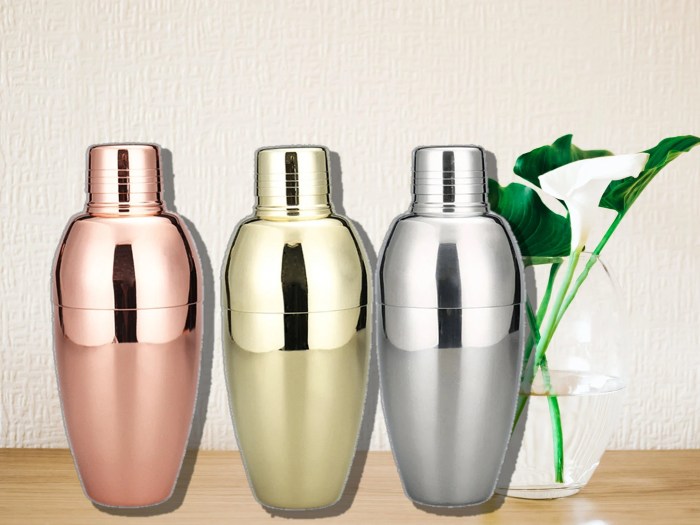
The Japanese cocktail shaker aesthetic, a captivating blend of traditional artistry and contemporary sophistication, is characterized by meticulous craftsmanship and a profound respect for materials. It evokes a sense of understated elegance, often drawing inspiration from Japanese aesthetics like wabi-sabi and minimalism. This style transcends mere functionality, transforming the cocktail shaker into a statement piece that reflects a refined appreciation for design.This aesthetic often emphasizes clean lines, thoughtful proportions, and a meticulous attention to detail.
The choice of materials, colors, and patterns further underscores the depth and complexity of this style. These elements converge to create an atmosphere of tranquility and refined sophistication, a powerful representation of Japanese design principles.
Visual Characteristics
The visual language of the Japanese cocktail shaker aesthetic hinges on several key characteristics. Clean lines and smooth surfaces are paramount, conveying a sense of order and serenity. Shapes are often geometric, with a preference for simple, elegant forms over ornate embellishments. This emphasis on minimalism allows the inherent beauty of the materials to shine through. The use of contrasting textures adds another layer of visual interest, while not detracting from the overall aesthetic.
Colors and Patterns
The color palette frequently employed in this aesthetic often leans towards muted tones, such as deep browns, charcoal grays, and subtle blues. These colors evoke a sense of tranquility and sophistication, echoing the principles of Japanese design. Occasionally, pops of vibrant colors, such as burnt orange or emerald green, are used sparingly to create visual interest without disrupting the overall harmony.
Wood grain patterns, often showcasing the natural beauty of the material, are frequently integrated into the design, adding depth and warmth. Simple, repeating geometric patterns, such as subtle latticework or subtle wave patterns, may also be incorporated to further emphasize the aesthetic’s minimalist and harmonious nature.
Cultural Influences
The Japanese cocktail shaker aesthetic is deeply rooted in Japanese cultural traditions and design principles. Wabi-sabi, a philosophy that embraces the beauty of imperfection and impermanence, finds expression in the subtle nuances of the design, and the acceptance of natural imperfections in the materials. Minimalism, with its emphasis on simplicity and functionality, plays a significant role in shaping the style’s aesthetic, emphasizing the elegance of form over embellishment.
The historical emphasis on craftsmanship and attention to detail is also evident, with each piece often reflecting a dedication to quality and meticulous execution.
Historical Context
The historical context surrounding this aesthetic is rich and multifaceted. The influence of traditional Japanese crafts, like pottery and lacquerware, is readily apparent in the meticulous attention to detail and the high regard for quality materials. The integration of contemporary design principles, such as minimalism and clean lines, adds a layer of modernity, bridging the gap between tradition and innovation.
The historical significance of these materials, particularly in Japanese culture, lends an added layer of meaning to the pieces. This combination of traditional craft and contemporary design has resulted in a distinct aesthetic, recognized worldwide.
Materials and Finishes
The choice of materials in this aesthetic is significant, reflecting both functionality and visual appeal. High-quality stainless steel, renowned for its durability and sleek finish, is frequently used. The polished surface reflects light, adding a sense of sophistication to the pieces. Natural materials, such as wood, are also used, often showcasing the natural beauty of the grain through a natural or subtle finish.
The use of intricate lacquer work, with its characteristic sheen and subtle patterns, can further elevate the design’s sophistication. These finishes often play a significant role in enhancing the aesthetic, highlighting the textures and adding a layer of visual depth to the design.
Design Elements
The Japanese cocktail shaker aesthetic, drawing inspiration from traditional Japanese design principles, offers a compelling blend of functionality and artistry. This approach transcends mere practicality, infusing each shaker with a unique cultural narrative. The aesthetic prioritizes clean lines, understated elegance, and a focus on natural materials.The key to unlocking this aesthetic’s allure lies in understanding its design elements.
These elements not only contribute to the visual appeal but also evoke specific symbolic meanings, adding a layer of depth and sophistication to the final product. This section delves into the core components of this unique design language.
Color Palettes
A key characteristic of this aesthetic is its preference for muted, earthy tones. Deep greens, rich browns, and subtle grays are frequently employed, evoking a sense of serenity and connection to nature. These palettes contrast sharply with the vibrant hues often found in other cocktail shaker styles, such as those inspired by tropical cocktails or retro aesthetics. The muted colors also provide a neutral backdrop that allows the craftsmanship of the shaker to shine.
A visual representation would feature a spectrum from deep forest green to warm, light browns with touches of charcoal gray, all harmoniously blending together.
Shapes
The Japanese aesthetic often favors smooth, organic shapes over the sharp, geometric forms prevalent in some other styles. This preference leans towards flowing curves and subtle asymmetry, creating a sense of natural harmony. Round, slightly tapered shapes are common, mirroring the contours of traditional Japanese pottery. This contrasts with the angular, sometimes overly stylized shapes often seen in shaker designs influenced by modernism.
The smooth transitions and flowing lines create a visual language that feels both sophisticated and calming.
Materials
High-quality, natural materials are central to the aesthetic. Wood, bamboo, and ceramic are frequently incorporated, emphasizing the connection to nature and craftsmanship. These materials offer a tactile experience that complements the visual appeal. In contrast, some other styles might prioritize more modern materials like stainless steel or plastic, emphasizing different values and aesthetics. The use of natural materials reflects a commitment to sustainability and a respect for tradition.
Patterns
Subtle, repeating patterns are often employed, referencing traditional Japanese motifs like bamboo, cherry blossoms, or stylized waves. These patterns are not overwhelming but instead add a layer of understated sophistication. The motifs are carefully selected to evoke specific cultural associations and enhance the overall aesthetic. In comparison, other styles might utilize more bold or complex patterns, which can clash with the delicate nature of the Japanese aesthetic.
Examples include subtle wood grain patterns or repeating designs that subtly enhance the natural beauty of the material.
| Design Element | Key Characteristics | Comparison with Other Styles | Motifs |
|---|---|---|---|
| Color Palettes | Muted, earthy tones (greens, browns, grays) | Contrast with vibrant hues in other styles | Nature-inspired motifs (bamboo, cherry blossoms) |
| Shapes | Smooth, organic forms (flowing curves) | Differ from sharp, geometric forms in other styles | Stylized representations of natural elements |
| Materials | High-quality natural materials (wood, bamboo, ceramic) | Contrast with modern materials in other styles | Emphasis on sustainability and craftsmanship |
| Patterns | Subtle, repeating patterns (bamboo, waves) | Contrast with bold patterns in other styles | Cultural associations with Japanese tradition |
Symbolic Meanings
The symbolic meanings behind these design elements are deeply rooted in Japanese aesthetics. Muted colors evoke tranquility and harmony with nature. Smooth shapes represent fluidity and grace. Natural materials embody a connection to the earth and respect for tradition. Subtle patterns signify cultural heritage and a refined appreciation for artistry.
This thoughtful integration of symbolism enhances the experience of using the cocktail shaker, transforming it from a functional tool into a piece of art.
Cultural Context
Japanese aesthetics, deeply rooted in centuries of tradition, offer a rich tapestry of principles that can profoundly influence the design of cocktail shakers. This approach, emphasizing minimalism, functionality, and natural forms, transcends mere aesthetics; it embodies a philosophy of harmony and respect for materials and processes. The resulting design speaks to a cultural appreciation for the craftsmanship inherent in everyday objects.The fusion of Japanese design principles with the functionality of a cocktail shaker creates a unique and compelling aesthetic.
This synergy is not just about visual appeal but also about the emotional resonance and subtle storytelling embedded within the design. The careful consideration of every detail, from the shape of the handle to the weight of the metal, reflects a deep understanding of the material and its potential.
Connection to Japanese Aesthetics
Japanese design philosophy, deeply rooted in Zen Buddhism and Shinto, prioritizes simplicity and functionality. The concept of “wabi-sabi,” embracing imperfection and the beauty of natural processes, finds direct application in minimalist design, emphasizing the inherent elegance of unadorned forms. A shaker, crafted with meticulous attention to detail and a focus on natural materials, can embody these principles.
Principles of Japanese Design
Japanese design frequently employs principles of minimalism, emphasizing essential forms and eliminating unnecessary embellishments. Functionality is paramount, with each element designed to perform its task efficiently and seamlessly. Natural forms, drawing inspiration from the surrounding environment, often serve as design motifs, adding a sense of harmony and groundedness. These principles are exemplified in the sleek lines and uncluttered forms of contemporary Japanese design, and they find a natural home in the design of a cocktail shaker.
Craftsmanship and Attention to Detail
The Japanese tradition of meticulous craftsmanship is evident in the attention to detail found in high-quality cocktail shakers. The seamless joining of metal components, the precise shaping of handles, and the smooth, polished surfaces reflect a deep commitment to excellence. The use of high-quality materials, often selected for their inherent beauty and durability, further reinforces this emphasis on craftsmanship.
Consider, for instance, a shaker made from polished stainless steel or a meticulously crafted wood inlay, highlighting the inherent beauty of the materials.
Symbolism in Shape and Form
The shape and form of a Japanese-inspired cocktail shaker can carry symbolic weight. The flowing lines, for example, might evoke the movement of water or the fluidity of nature. The use of specific materials, such as bamboo or lacquered wood, can further contribute to a symbolic message, drawing on cultural associations with these materials. A shaker with a specific shape, for example, a teardrop or a stylized wave, might be intentionally symbolic, referencing a particular aspect of Japanese culture or tradition.
Traditional Japanese Aesthetics
Traditional Japanese aesthetics, like the concept of “ma,” or negative space, are applicable to the design of cocktail shakers. This concept, which values the empty space as much as the filled space, can translate to a shaker design with minimalist contours and strategic negative space, highlighting the elegance of the unadorned. Similarly, the emphasis on asymmetry and natural irregularities in Japanese aesthetics could influence a shaker’s form, resulting in a unique and organic design.
Practical Applications
The meticulously crafted Japanese cocktail shaker aesthetic, with its emphasis on minimalist design and subtle cultural cues, offers a compelling framework for enhancing the ambiance and experience within bars and restaurants. This approach transcends mere decoration, potentially influencing customer perception and ultimately driving sales. The aesthetic, when thoughtfully implemented, can create a sense of sophisticated elegance and understated luxury, appealing to a discerning clientele.This approach, however, requires careful consideration of the specific context and target audience.
The goal is not to simply replicate the aesthetic but to integrate it organically, leveraging its strengths to create a truly memorable and immersive experience. This section delves into practical applications, demonstrating how this aesthetic can be translated into various environments and highlighting its potential impact on customer experience.
Incorporating the Aesthetic into Different Settings
The Japanese cocktail shaker aesthetic’s versatility allows its application across diverse environments, from intimate home bars to bustling high-end restaurants. Its subtle elegance is well-suited to settings seeking to create a sophisticated and understated atmosphere.
| Environment | Potential Uses | Visual Approach | Customer Impact |
|---|---|---|---|
| Home Bar | Creating a tranquil and refined space for personal enjoyment. Using sleek, minimalist shaker sets and accessories. | Focus on quality materials, natural wood accents, and soft lighting. Displaying a curated collection of glassware and shaker sets. | Elevates the home bar experience from a functional space to a sophisticated relaxation area. |
| Cocktail Lounge | Establishing a sophisticated atmosphere that encourages relaxation and conversation. Using a limited color palette, high-quality materials, and strategically placed lighting. | Employing subtle, ambient lighting, creating a sense of serenity. Showcasing handcrafted barware. | Enhances the overall ambiance, creating a more sophisticated and inviting experience. |
| High-End Restaurant | Complementing the overall dining experience with a refined and elegant touch. Integrating the aesthetic into bar areas and presentation of cocktails. | Incorporating the aesthetic into the bar area and cocktails. Using Japanese-inspired artwork and décor in a subtle and tasteful manner. | Elevates the dining experience by creating a sense of refined sophistication. Potential for increased perceived value of the dining experience. |
| Japanese-Themed Restaurant | Further enhancing the theme with an authentic and consistent aesthetic. Use of natural materials, traditional Japanese design elements, and appropriate lighting. | Integrating traditional Japanese design elements, such as tatami mats, calligraphy art, and natural materials. | Creates a more immersive and authentic Japanese experience for diners. |
Creating a Visually Appealing Display
A well-executed display can amplify the aesthetic’s impact and elevate the overall experience. Careful consideration of the space and placement of elements is paramount.
- Curated Selection: Focus on a limited selection of high-quality items to avoid visual clutter. This will allow the individual pieces to stand out and highlight the design elements of the aesthetic.
- Strategic Lighting: Utilize ambient lighting to create a warm and inviting atmosphere. Soft, diffused lighting will highlight the materials and textures of the items without overwhelming the space. Avoid harsh spotlights that can cast unflattering shadows.
- Natural Materials: Incorporate natural elements such as wood, bamboo, and stone to enhance the connection to Japanese design principles. These materials add a touch of sophistication and visual interest.
- Color Palette: Stick to a limited, complementary color palette, focusing on earthy tones, muted colors, and subtle accents. This creates a sense of harmony and cohesiveness.
- Negative Space: Leave sufficient negative space around the displayed items to avoid overwhelming the viewer. This allows each piece to be appreciated individually, enhancing the overall aesthetic appeal.
Materials and Craftsmanship
Japanese cocktail shakers, imbued with a distinctive aesthetic, often reflect a deep respect for quality materials and meticulous craftsmanship. This translates into a product that transcends mere utility, becoming an object of both practical function and artistic expression. The meticulous attention to detail, from the choice of wood grain to the precision of metal finishes, underscores the cultural significance of the craft.Traditional Japanese techniques, interwoven with modern design sensibilities, create pieces that stand as testaments to the enduring spirit of Japanese artistry.
The selection of materials is paramount, each contributing to the overall aesthetic and tactile experience. From the smooth curves of a polished wood shaker to the cool, precise lines of a meticulously crafted metal one, the final product speaks volumes about the dedication to the craft.
Materials Employed
The materials used in crafting Japanese cocktail shakers are carefully chosen for their aesthetic qualities and functional properties. Wood, metal, and ceramic are common choices, each offering distinct visual and tactile sensations. The selection is not arbitrary; each material embodies specific qualities valued in Japanese aesthetics, like durability, natural beauty, and tactile comfort.
Traditional Craftsmanship Techniques
Japanese craftsmanship, deeply rooted in tradition, plays a vital role in the creation of these cocktail shakers. Techniques like kenzaiku (wood carving) and shibayaki (metal forging) are often employed. These techniques, passed down through generations, demand a high degree of skill and precision. The ability to manipulate materials with delicate touch and artistic flair is essential for achieving the desired aesthetic.
This dedication to meticulous detail ensures a product that embodies both beauty and functionality.
Importance of Quality Materials and Construction
The quality of materials and construction is paramount in the creation of a Japanese cocktail shaker. The use of high-grade materials, coupled with traditional techniques, creates a piece that will endure for years, retaining its beauty and functionality. This emphasis on quality directly reflects Japanese cultural values, placing a premium on durability, craftsmanship, and enduring beauty. The shaker becomes more than a tool; it becomes a cherished possession, a testament to enduring quality.
Finishes Used on Materials
A variety of finishes are used on the chosen materials to enhance their aesthetic appeal and protect the piece from wear. Natural finishes, such as waxes and oils derived from natural sources, are frequently employed to highlight the inherent beauty of the wood grain. Metal finishes, including brushed, polished, or lacquered surfaces, emphasize the precision of the metalworking.
The application of these finishes is a crucial step in the process, adding to the overall tactile experience. Each finish is chosen to complement the material and contribute to the desired visual impact.
Wood Types for Japanese Aesthetic
- Maple: Known for its light color and subtle grain patterns, maple wood lends a delicate, yet strong, character to the shaker. Its smooth texture provides a pleasant tactile experience.
- Cherry: Cherry wood boasts a warm, reddish-brown hue and a distinctive, intricate grain pattern. This gives the shaker a rich, inviting aesthetic.
- Walnut: Walnut wood, with its deep brown tones and pronounced, swirling grain patterns, evokes a sense of warmth and sophistication. Its rich color provides a bold statement piece.
- Ebony: Ebony wood, with its dark, rich black color and intricate grain pattern, projects an air of elegance and formality. It stands out for its dramatic contrast and smooth texture.
- Mahogany: Mahogany wood, with its rich reddish-brown hue and medium-fine grain, adds a touch of warmth and sophistication to the shaker. Its versatility makes it a suitable choice for various design styles.
These are just a few examples, and the choice of wood type depends on the specific design goals of the cocktail shaker. The selection of wood, combined with the craftsmanship, directly impacts the visual and tactile qualities of the finished product.
Visual Representations
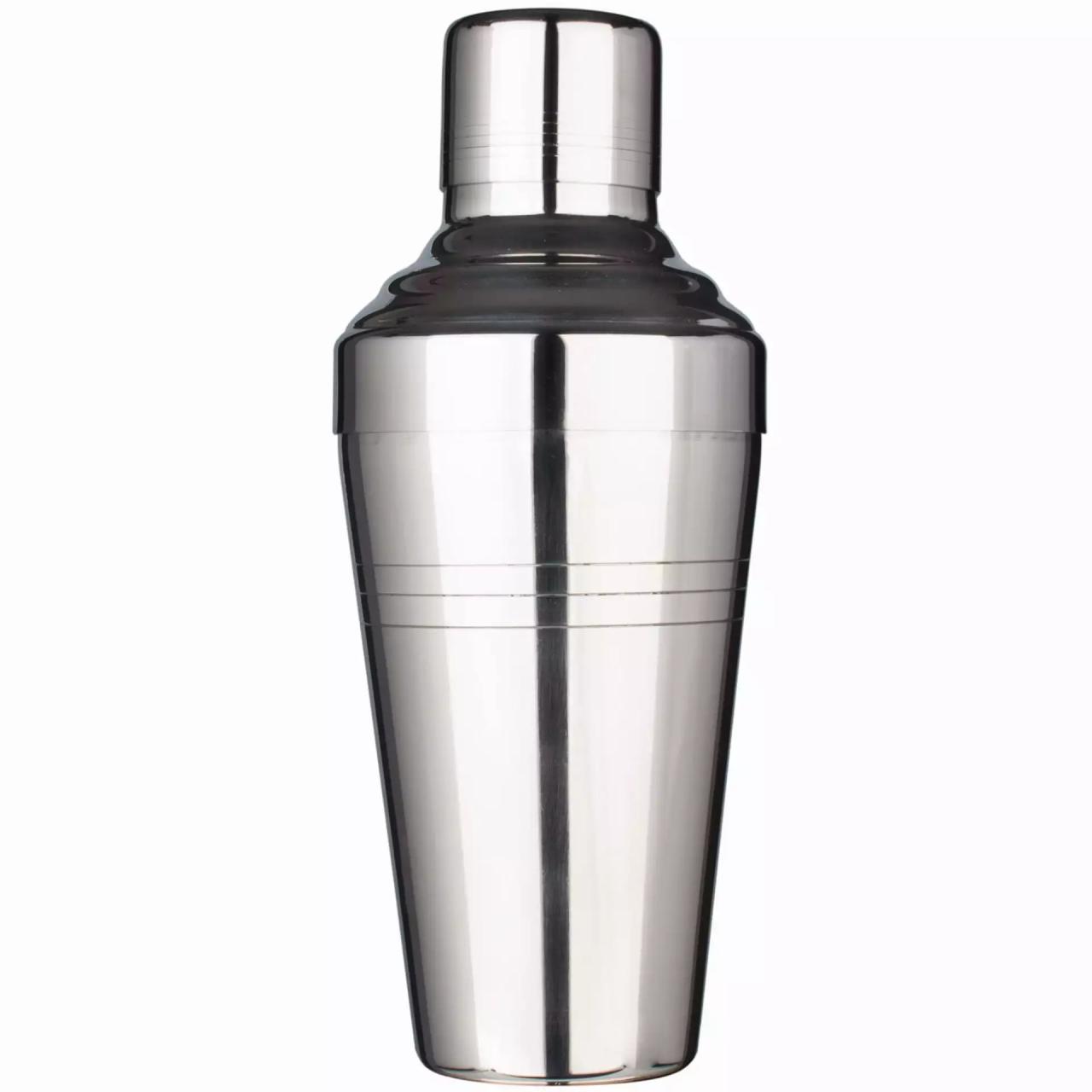
The visual language of Japanese cocktail shakers reflects a deep-rooted appreciation for aesthetics, craftsmanship, and cultural heritage. This translates into a distinctive visual vocabulary that sets Japanese shakers apart. The designs are not merely functional; they are intended to be beautiful objects in their own right, enriching the experience of preparing and enjoying cocktails.
Variety of Styles and Designs
Japanese cocktail shakers exhibit a diverse array of styles, from minimalist, modern designs to elaborate, ornate pieces. These variations reflect the multifaceted nature of Japanese aesthetics, ranging from the clean lines of contemporary design to the intricate details of traditional artistry.
| Image | Description |
|---|---|
| Shaker 1 | A sleek, brushed-steel shaker with a minimalist design. Its smooth, rounded curves evoke a sense of fluidity and modern sophistication. The emphasis is on the functional form, with the absence of unnecessary ornamentation. |
| Shaker 2 | A hand-blown glass shaker featuring intricate, hand-painted floral patterns. The colors are vibrant and the patterns are meticulously rendered, showcasing the skill and artistry of the artisan. The form follows the traditional Japanese aesthetic of elegance and artistry. |
| Shaker 3 | A lacquer-coated shaker with a geometric pattern. The use of contrasting colors and the precision of the pattern demonstrate the mastery of Japanese lacquer techniques. The shaker is a perfect example of the integration of craftsmanship and modern aesthetic. |
| Shaker 4 | A bamboo shaker with natural wood grain patterns. The natural texture of the bamboo and the subtle variations in the wood grain create a warm, organic aesthetic. The shaker reflects the Japanese appreciation for natural materials and the beauty of simplicity. |
Japanese Patterns and Their Visual Impact
Traditional Japanese patterns, such as wabi-sabi, kintsugi, and yukata, profoundly influence the design of Japanese cocktail shakers. These patterns evoke different moods and emotions.
- Wabi-sabi: This aesthetic embraces the beauty of imperfection and impermanence. A shaker with subtle imperfections in its finish, or one showcasing the natural variations in a wood grain, embodies this philosophy. The visual impact is one of quiet elegance and a deep appreciation for the natural world. It speaks to a quiet acceptance of the transient nature of things.
- Kintsugi: This technique involves repairing broken pottery with gold lacquer. A shaker featuring this repair technique would highlight the beauty of imperfection, emphasizing the story and history of the object. The visual impact is one of resilience and the beauty found in imperfection.
- Yukata: This traditional Japanese pattern often features floral or geometric motifs. A shaker with yukata patterns brings a sense of vibrancy and tradition to the design. The visual impact is one of celebration, color, and cultural heritage.
Significance of Colors
Colors in Japanese cocktail shakers are carefully chosen to evoke specific emotions and cultural associations. For example, the use of deep blues and greens often reflects a connection to nature, while the use of reds and golds can signify prosperity and celebration. The color palette in a shaker reflects the season, occasion, or cultural significance.
Product Design Example
A contemporary cocktail shaker, designed to embody the Japanese aesthetic, might feature a brushed-steel body with a subtle kintsugi-inspired repair on one side, highlighting the craftsmanship and elegance of the piece. The shaker might also incorporate a natural wood handle with a wabi-sabi finish. The subtle use of natural colors, like jade green and deep brown, would further enhance the design’s impact.
The overall visual impact would be one of quiet sophistication, emphasizing the balance between nature and craft.
Marketing and Branding
A meticulously crafted Japanese cocktail shaker line, imbued with the aesthetic discussed, possesses significant market potential. Leveraging the visual storytelling inherent in Japanese design, coupled with targeted branding, can cultivate a loyal following among discerning consumers. The brand identity must resonate with the core principles of the aesthetic, creating an emotional connection that transcends mere product functionality.Effective marketing strategies must go beyond showcasing the physical attributes of the shakers.
They must highlight the cultural significance and craftsmanship behind each piece, fostering a sense of exclusivity and appreciation for the artistry involved. This approach can position the brand as a premium offering, appealing to customers who value quality and aesthetic sophistication.
Potential of Marketing a Japanese Cocktail Shaker Line
This aesthetic can appeal to a broad spectrum of consumers, including cocktail enthusiasts, home bartenders, and those seeking sophisticated home décor. The inherent elegance and cultural significance of Japanese design will resonate with a specific target market seeking premium products. This is especially true for those with a pre-existing interest in Japanese culture or design. Successful marketing will emphasize the artistry and meticulous craftsmanship of the shakers, thereby justifying a premium price point.
Ideal Brand Identity
A successful brand identity should reflect the core values of Japanese aesthetics, including simplicity, functionality, and attention to detail. The brand name should be evocative and memorable, hinting at the cultural heritage and craftsmanship behind the product. A strong visual identity, featuring minimalist designs and subtle color palettes, is crucial. This should be consistent across all marketing materials, from packaging to website design.
Examples include brands like Muji, known for their minimalist aesthetic, and Japanese artisanal craft brands.
Importance of Visual Storytelling
Visual storytelling is paramount in marketing products with this aesthetic. High-quality photography and videography showcasing the intricate details of the shakers are crucial. Short, engaging videos demonstrating the use of the shakers in a sophisticated setting can enhance the product’s appeal. These videos can be accompanied by captions highlighting the historical context, craftsmanship, and the philosophy behind the design, creating a powerful narrative.
This could include showing the artisans at work or showcasing how the shakers are used in traditional Japanese tea ceremonies.
Attracting the Target Customer
The target customer segment for this product is likely to be individuals with a keen interest in high-quality, artisanal products. Their appreciation for aesthetics and cultural nuances is key to capturing their attention. This aesthetic can attract a sophisticated customer base, appealing to those who value high-quality craftsmanship and a unique aesthetic. The focus should be on crafting a sense of exclusivity and quality.
Highlighting the story behind each shaker, showcasing the artisans’ expertise, and demonstrating the precision of the design will attract and retain these discerning consumers.
Effective Branding Strategies
A combination of online and offline strategies is essential. A visually appealing website featuring high-resolution images and short, compelling videos can create a strong online presence. Collaborations with influential personalities in the cocktail or design communities can significantly enhance brand awareness. Participating in industry events and creating partnerships with high-end retailers will allow the brand to connect with potential customers in a physical setting.
Special editions or limited releases of shakers, reflecting seasonal themes or cultural events, can drive excitement and maintain brand interest. This approach builds anticipation and fosters a sense of community among enthusiasts.
Modern Interpretations
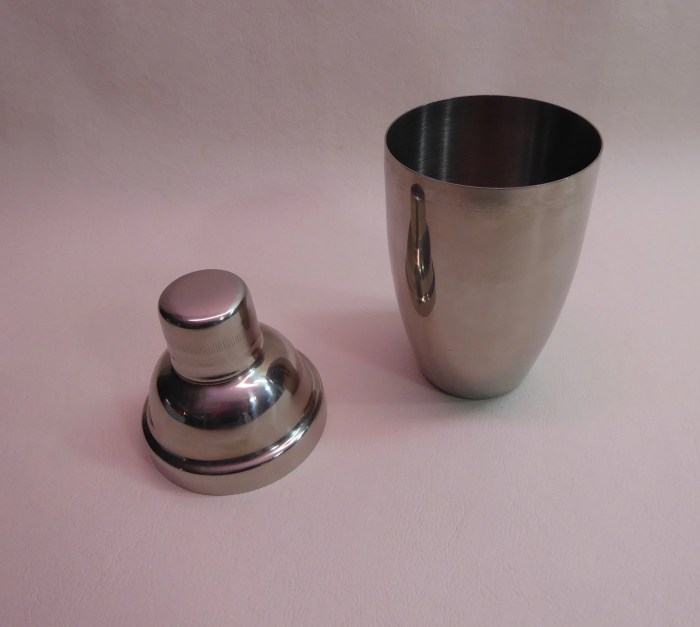
The enduring appeal of Japanese aesthetics, particularly in cocktail shaker design, lies in its meticulous craftsmanship and harmonious blend of form and function. Contemporary designers are embracing this legacy, yet infusing it with modern sensibilities to create striking pieces that resonate with a global audience. This involves a careful consideration of both traditional elements and innovative approaches to materials, production techniques, and overall design.Modern interpretations of Japanese cocktail shakers showcase a fascinating evolution, drawing inspiration from traditional forms while incorporating contemporary design trends.
This fusion results in pieces that retain the elegance of the past while embracing the dynamism of the present. These shakers are not mere imitations; rather, they are contemporary expressions of a timeless aesthetic.
Contemporary Design Adaptations
Modern designers are adapting the Japanese aesthetic to contemporary trends by exploring unconventional materials and innovative manufacturing processes. This includes employing 3D printing to create complex shapes and intricate details that would be difficult to achieve with traditional methods. Beyond material exploration, designers are also focusing on functionality. They are developing shakers with integrated features, such as built-in ice dispensers or temperature-regulating systems, that enhance the user experience without compromising the aesthetic appeal.
Innovative Form Modifications
Traditional Japanese cocktail shakers often feature symmetrical forms and smooth surfaces. Modern designers are challenging these conventions, incorporating asymmetrical shapes, textured surfaces, and subtle color gradients to create a more dynamic and visually interesting product. For instance, some designs feature flowing lines that mimic the natural curves of bamboo or other organic elements. These modifications don’t simply alter the appearance; they reflect a deeper understanding of contemporary design principles and a desire to create objects that are not only functional but also engaging.
Examples of Modern Interpretations
One example of a modern interpretation is a shaker crafted from polished, translucent acrylic. The material’s clarity allows the internal workings of the shaker to be visible, adding a layer of visual interest. Another example might feature a shaker with a minimalist design, utilizing a single, unbroken piece of brushed stainless steel, with subtle laser-etched patterns inspired by traditional Japanese woodblock prints.
The muted color palette and refined details create a sleek and sophisticated look.
Comparison to Traditional Designs
While modern interpretations retain the core principles of Japanese design, such as attention to detail and a focus on natural forms, they depart from traditional designs in their approach to materials and functionality. Modern shakers often utilize innovative materials like titanium or aerospace-grade aluminum, replacing traditional wood or lacquer. This shift allows for enhanced durability and functionality while retaining the aesthetic appeal.
Furthermore, modern interpretations frequently incorporate features that were absent in traditional designs, such as built-in ice dispensers or integrated temperature control systems, improving practicality. This balance between traditional aesthetic values and modern functionality underscores the continued relevance of Japanese design principles in the contemporary world.
Inspiration for Cocktail Creation
The Japanese cocktail shaker aesthetic, drawing on minimalist design principles and a deep appreciation for craftsmanship, demands cocktails that reflect these values. Beyond the visual, the flavors must harmonize with the aesthetic’s subtle elegance and refined sophistication. This approach prioritizes balanced profiles, highlighting the natural qualities of ingredients rather than overwhelming them with artificial sweetness or complexity.The meticulous selection of ingredients and careful preparation are crucial to embodying this aesthetic.
The ideal cocktail should be a harmonious blend of textures, colors, and flavors, where each element contributes to a cohesive and memorable experience. This translates to a focus on quality ingredients and precise measurements, ensuring that every sip aligns with the aesthetic’s refined nature.
Cocktail Recipes Inspired by the Aesthetic
Japanese cocktails, reflecting this aesthetic, often feature a balance of contrasting flavors. The approach prioritizes quality ingredients, emphasizing the natural essence of each component. Examples include:
- Sakura Blossom Martini: A delicate and floral martini, crafted with a light pink gin, a touch of Japanese cherry blossom liqueur (Sakura), and a splash of fresh lime juice. The presentation involves a delicate garnish of edible flower petals and a single sugared cherry.
- Yuzu-Ginger Fizz: A refreshing and zesty cocktail blending yuzu juice, a hint of ginger liqueur, and a touch of sparkling water. The garnish could be a thin, translucent yuzu slice or a sprig of fresh mint. The color palette would range from a pale yellow to a subtle orange, reflecting the natural hues of the yuzu.
- Matcha Green Tea Old Fashioned: This sophisticated cocktail incorporates matcha green tea powder, Japanese whisky, a touch of agave syrup, and an orange twist. The matcha provides a deep green hue, which, when combined with the amber of the whisky, creates a visually striking cocktail.
Ideal Color Palette for Cocktails
The color palette should evoke a sense of calm, sophistication, and understated elegance. The palette emphasizes natural hues, with muted tones and subtle gradations of color. This includes:
- Pale pinks and purples: Reflecting the delicate beauty of cherry blossoms or lavender.
- Soft greens and browns: Representing the calming tones of nature and the earth.
- Deep amber and golds: Highlighting the rich tones of Japanese whiskies and other spirits.
Importance of Flavor Profiles
Flavor profiles should be balanced and harmonious, mirroring the aesthetic’s subtle elegance. The focus is on enhancing the natural flavors of ingredients rather than masking them with overpowering sweetness or spice. This translates to using high-quality ingredients, minimizing added sugar, and carefully considering flavor pairings.
- Light and refreshing: The emphasis is on the balance between acidity, sweetness, and bitterness.
- Earthy and subtle: This creates a depth of flavor without overwhelming the senses.
- Floral and delicate: A subtle hint of floral notes can add a sense of elegance to the cocktail.
Cocktail Garnishes
Garnishes should complement the cocktail’s visual appeal and flavor profile without overpowering it. Consider:
- Delicate flowers: Such as edible cherry blossoms, lavender, or rose petals.
- Thin slices of fruit: Yuzu, orange, or grapefruit.
- Fresh herbs: Mint, basil, or cilantro.
- Single, sugared cherries or olives: A touch of sweetness or savory contrast.
Cocktail Ingredients Commonly Used in Japanese Cocktails
Japanese cocktails often incorporate ingredients reflecting the country’s culinary traditions:
- Japanese whiskies: Offer a wide range of flavor profiles, from smoky to sweet.
- Yuzu juice: A citrus fruit with a unique, tangy flavor.
- Matcha green tea: A powder derived from green tea leaves, adding a unique depth of flavor.
- Sakura liqueur: A cherry blossom-flavored liqueur, providing a delicate floral taste.
- Ginger liqueur: Adding a spicy kick to cocktails.
Accessibility and Inclusivity
The Japanese cocktail shaker aesthetic, with its emphasis on meticulous craftsmanship and minimalist design, presents an opportunity to be accessible and inclusive. This can be achieved by understanding the cultural underpinnings of the aesthetic while also ensuring that it resonates with diverse tastes and preferences globally. By exploring various adaptations and reinterpretations, the aesthetic can transcend its origins and appeal to a broader audience.
Strategies for Broader Accessibility
The key to making the Japanese cocktail shaker aesthetic accessible lies in understanding its fundamental principles and adapting them for diverse contexts. A key aspect is maintaining the core values of precision and elegance while incorporating elements that cater to varying needs and preferences. This involves considering factors like affordability, functionality, and accessibility for people with disabilities.
Cultural Adaptation and Reinterpretation
Different cultures can adapt and reinterpret the aesthetic in unique ways. For instance, a Scandinavian interpretation might focus on natural materials like wood and sustainable practices, while a South American interpretation could incorporate vibrant colors and patterns that reflect local traditions. This adaptation process ensures that the aesthetic remains relevant and engaging for a global audience.
Inclusivity in Design and Marketing
Inclusive design and marketing are essential for making the aesthetic approachable. Products should be available in a range of sizes and colors to accommodate different preferences. Moreover, marketing campaigns should feature diverse models and representations to demonstrate the aesthetic’s appeal across various cultures and backgrounds. A critical element of this is using inclusive language and imagery in marketing materials.
This approach helps ensure the aesthetic feels welcoming and non-exclusive to a broad spectrum of potential consumers.
Examples of Inclusivity
A company designing cocktail shakers with this aesthetic could offer various sizes, from compact travel shakers to larger models suitable for home bars. They could also offer a selection of finishes and materials to suit different budgets and preferences, from sleek stainless steel to more ornate wood options. Marketing campaigns should feature individuals from diverse backgrounds, showcasing the versatility and elegance of the aesthetic in different settings.
The imagery used in marketing materials should avoid stereotypical representations and instead focus on highlighting the beauty and sophistication of the design itself.
Closing Notes
In conclusion, the Japanese cocktail shaker aesthetic offers a compelling fusion of traditional Japanese artistry and contemporary cocktail culture. This exploration highlights the meticulous design choices, cultural influences, and potential for innovative applications. The aesthetic’s enduring appeal lies in its ability to elevate the cocktail experience through meticulous craftsmanship and sophisticated design.
